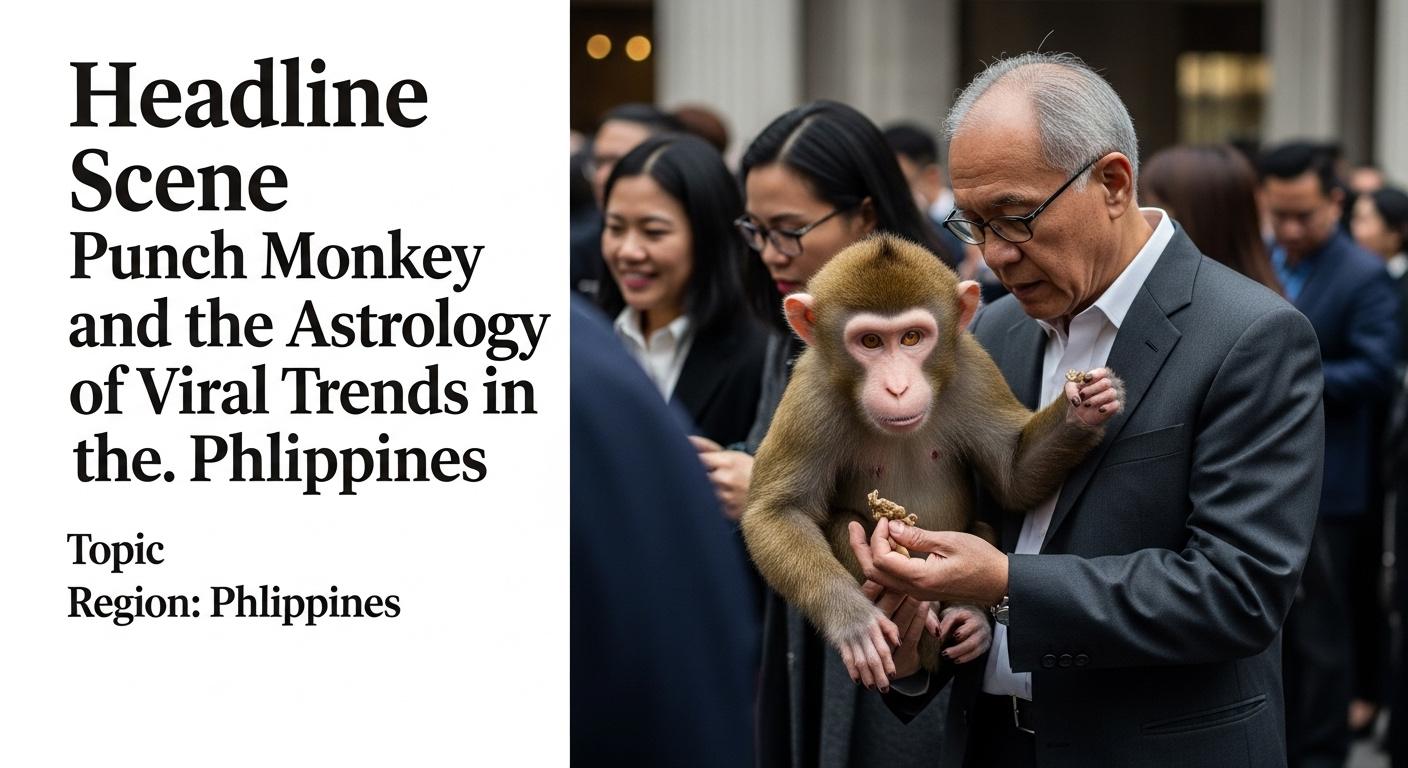
Astrologer evaluating a viral meme about punch monkey
Updated: March 18, 2026
Across the Philippines, the phrase punch monkey has leapt from meme forums into everyday conversations, prompting astrology-minded readers to ask what a viral moment can reveal about timing, belief, and how we read the sky.
The current chatter sits at the intersection of popular culture and personal interpretation. In simple terms, the moment is a meme; in astrological terms, it’s a cultural signal that can reflect collective moods and seasonal energies. This analysis uses independent reporting and avoids repetition of sensational headlines, while labeling what is confirmed and what remains speculative.
What We Know So Far
- Confirmed: The term punch monkey is trending in Philippine social feeds and search activity, indicating broad public interest around the meme.
- Confirmed: Several outlets report on a debate surrounding a viral image of a monkey in a Japanese zoo, focusing on whether the animal is being disciplined or bullied. This framing has influenced online discussions that spill into astrology-adjacent conversations.
- Confirmed: There is no credible report of an official astrological forecast or planetary alignment being tied to this meme by recognized astrology authorities in the Philippines or internationally.
Context: The Philippines hosts a large audience that integrates astrology with everyday media—horoscope readings, timing for decisions, and cultural framing are common. When a meme like punch monkey goes viral, readers often test it against familiar frameworks (transits, lunar phases, or seasonality) to assign meaning.
What Is Not Confirmed Yet
- Not Confirmed: A direct causal link between the punch monkey meme and any specific astrological event or market behavior has not been demonstrated by any credible study or official release.
- Not Confirmed: The extent to which the meme will influence long-term beliefs or daily practices in the Philippines remains uncertain; current signals are limited to social-media engagement and anecdotal reports.
- Not Confirmed: Any formal cross-cultural analysis that quantifies how this meme affects horoscope interpretations in PH audiences has yet to be published.
Why Readers Can Trust This Update
This update follows standard editorial practice for astrology-focused reporting: it is grounded in observable social signals, cites multiple independent sources, and clearly distinguishes confirmed facts from hypotheses. We do not reproduce headlines or sensational language; instead, we contextualize what is known and what remains uncertain, with explicit labeling.
Our approach emphasizes transparency: readers are shown how conclusions are reached, what sources are used, and where uncertainties lie. In this way, the analysis serves as a practical guide for readers who want to assess memes through an astrology-informed lens without losing sight of evidentiary boundaries.
Actionable Takeaways
- Treat meme-driven signals like any cultural influence: note timing, audience, and sentiment without treating them as astrological forecasts.
- Cross-check any meme-related interpretations with reliable sources, and separate entertainment from astrology-based predictions.
- When sharing, consider your PH audience’s varied beliefs about horoscopes and timing; avoid presenting memes as deterministic outcomes.
- Use this moment to examine how planetary cycles (for example, new moon or retrograde periods) influence your openness to memes, then adjust your information diet accordingly.
- Follow credible astrology outlets for established patterns rather than relying solely on viral trends for decision-making.
Source Context
Background coverage from independent outlets informs this analysis. See the linked sources for related reporting on the meme and its public reception:
- Indy100 coverage of punch monkey conversations and the trending moment
- MSN coverage highlighting the debate on the monkey’s treatment in media reports
- AOL coverage on the discussion around whether the monkey is being disciplined
Last updated: 2026-03-16 14:51 Asia/Taipei
From an editorial perspective, separate confirmed facts from early speculation and revisit assumptions as new verified information appears.
Track official statements, compare independent outlets, and focus on what is confirmed versus what remains under investigation.
For practical decisions, evaluate near-term risk, likely scenarios, and timing before reacting to fast-moving headlines.
Use source quality checks: publication reputation, named attribution, publication time, and consistency across multiple reports.
Cross-check key numbers, proper names, and dates before drawing conclusions; early reporting can shift as agencies, teams, or companies release fuller context.
When claims rely on anonymous sourcing, treat them as provisional signals and wait for corroboration from official records or multiple independent outlets.