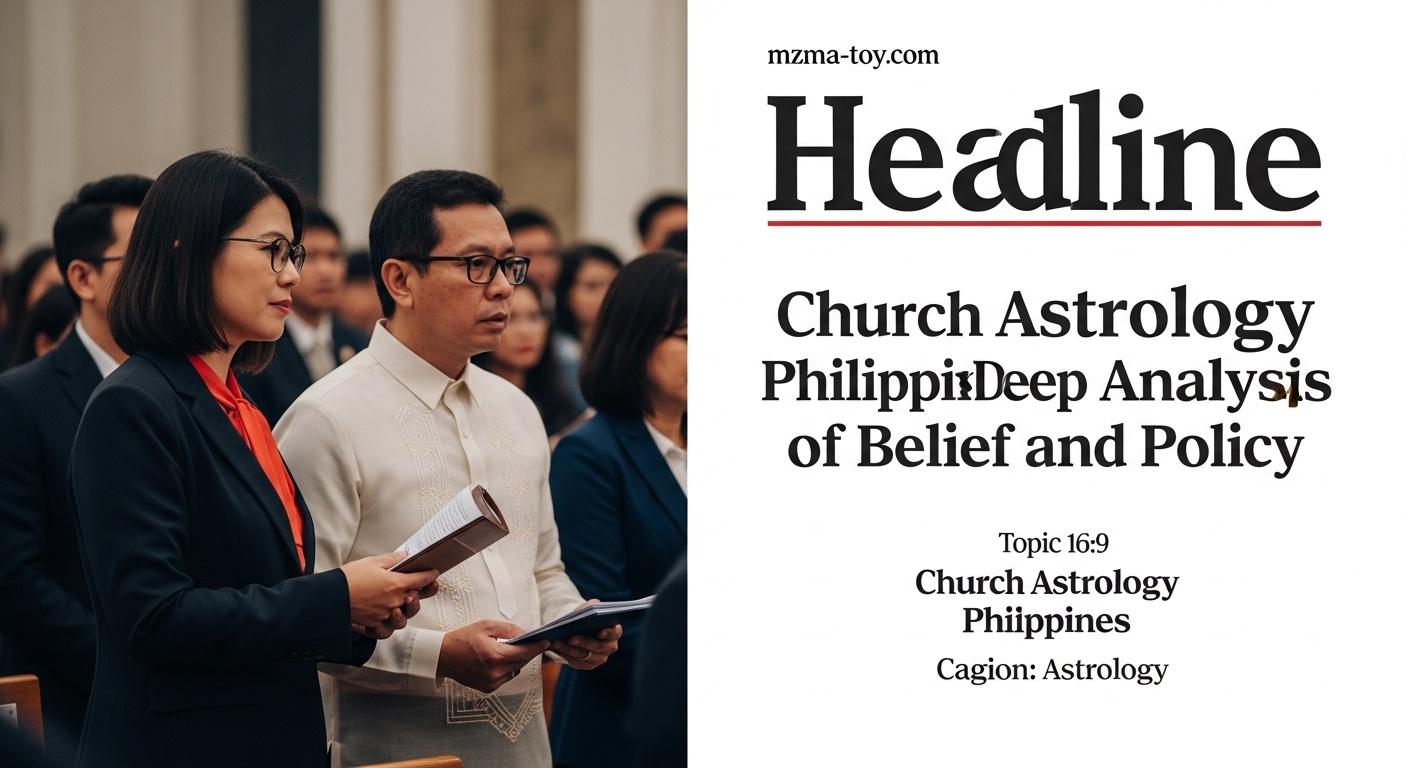
international Astrology Philippines has emerged as a lens through which millions in the Philippines interpret shifting fortunes amid a fast-changing world. This analysis treats astrology not only as a belief system but as a cultural practice that intersects with media, education, and everyday decision-making. In a nation where family calendars, festival timings, and weather patterns shape daily life, celestial readings travel far beyond the bedroom walls of astrologers, reaching screens in markets across Luzon, Visayas, and Mindanao. The phrase international Astrology Philippines signals more than a trend; it is a bridge linking local intuition with global planetary cycles, Western and Eastern traditions alike, and a growing cadre of online voices.
Global Currents Meet Filipino Skies
Astrological content today travels through a web of transnational channels. International tropes—solar returns, planetary aspects, lunar phases—intersect with regional calendars and family traditions to shape a Filipino everyday forecast. In many communities, quarterly eclipses or retrograde cycles become narrative anchors that people reference when planning travel, business, or major life events. The Philippines’ sizeable diaspora presence and active social-media culture mean a single celestial prediction can echo from Metro Manila to provincial towns within hours, while cross-border readings from Western, Vedic, or Chinese traditions color local interpretations. This convergence creates a braided storytelling ecosystem where global ideas are localized, tested, and sometimes contested on kitchen-table debates and online comments.
The practical effect is a blended cosmology in which readers weigh multiple systems against one another. For educators and practitioners, the challenge is not simply to teach astrology but to illuminate how interpretations change in response to local realities—economic shifts, disaster seasons, or political headlines—without eroding critical thinking or responsible guidance.
The Digital Astroland: Platforms, Algorithms, and Reach
What happens when a star chart becomes an online experience? In the Philippines, platforms with rapid-fire video formats and short-form posts have amplified astrology as a daily habit for millions. Algorithms reward engaging, emotionally resonant readings, which often leads to a proliferation of bite-sized horoscopes, quick-gen natal overlays, and “today’s forecast” loops. This dynamic is not inherently problematic, but it raises questions about depth, context, and accountability. Creators may monetize their audiences through memberships, sponsored content, or paid seminars, which can blur lines between entertainment and guidance. Readers, meanwhile, navigate a crowded field where quality varies and where sensational claims can circulate as quickly as legitimate insights. The result is a digital culture in which astrological content is both a coping mechanism and a marketplace, demanding media literacy as a core skill.
Beyond consumer behavior, the rise of multilingual and multicultural astrology channels reflects broader communication trends in Southeast Asia. Filipinos increasingly access content in English, Filipino, and regional languages, creating a multilingual ecosystem where cross-cultural references and symbolic vocabularies circulate. For researchers and platforms alike, this fragmentation presents opportunities for more inclusive, nuanced readings, but it also requires clearer disclosures about methodology, affiliations, and limitations of horoscopic advice.
Tradition Meets Modern Skepticism in the Local Context
Astrology does not exist in a vacuum in the Philippines. Devotion to celestial guidance often intersects with Catholic cultural norms, family authority, and practical planning. A grandmother’s talisman or a Sunday mass may sit alongside a bespoke chart drawn for a future wedding or a new business venture. Yet modern audiences also bring skepticism: questions about source reliability, the risk of overgeneralization, and concerns that astrological content may distract from verifiable, data-driven decision-making. This tension—between reverence for ancestral practices and the impulse for empirical scrutiny—creates fertile ground for nuanced discussion about what astrology can and cannot offer in times of uncertainty. The most resilient readings acknowledge context, offer transparent methods, and invite dialogue with critical inquiries rather than stoking unquestioned certainty.
In disaster-prone regions of the country, readers may rely on weather-linked astrological indicators as supplementary cues, while still prioritizing official advisories and practical preparations. The dialogue around astrology here is not about replacing science or policy; it is about understanding how symbolic frameworks help communities process risk, plan contingencies, and communicate shared meanings in the face of unpredictable events.
Actionable Takeaways
- Readers: diversify your information sources. Let astrology inform personal planning, but ground major decisions in practical data and professional guidance when relevant.
- Creators: include clear disclaimers about the scope and intent of readings; distinguish between entertainment, guidance, and predictive claims; cite sources or traditions where applicable.
- Platforms: promote transparency around sponsorships and affiliations; support features that help users assess credibility of astrology content.
- Educators and media: integrate digital literacy with astrology literacy; teach audiences to identify bias, rhetorical framing, and methodological limits in online readings.
- Policy and public discourse: encourage consumer protections for online guidance and promote accessible resources that boost critical thinking without dismissing culturally meaningful practices.