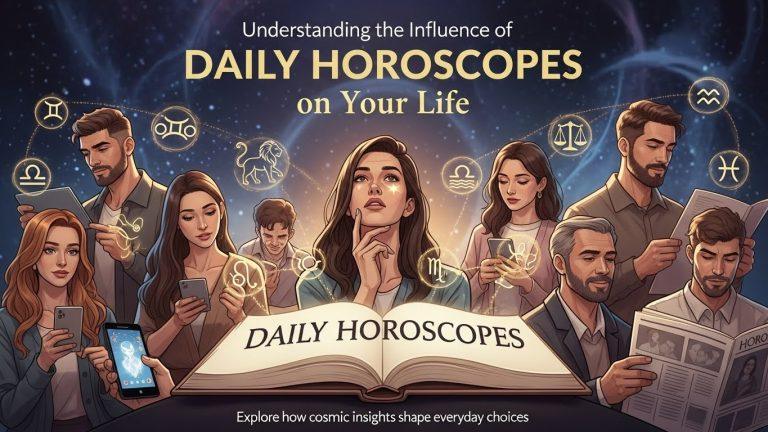

indian Astrology Philippines is no longer a fringe curiosity but a growing footprint in the Philippines’ wellness and lifestyle markets. Across urban centers and digital platforms, readers encounter personalized readings, daily forecasts, and compatibility mapping offered by practitioners who blend Indian astrological traditions with local sensibilities. This dynamic invites a closer look at what fuels demand, how services are structured, and what readers should know to navigate responsibly.
Market Trends Shaping Demand
In major Philippine markets, a steady stream of astrologers, coaches, and app-based readers are marketing Indian-based methods alongside local traditions. The appeal rests not only on star maps but on a narrative that promises practical guidance for relationships, career pivots, and family planning in uncertain times. Consumers increasingly encounter tiered offerings—from brief daily forecasts shared via chat apps to deep-dive consultations that last 60 to 90 minutes and incorporate divisional charts, planetary periods (dasha), and transit analyses. The result is a market that operates at the intersection of entertainment, personal coaching, and cultural curiosity.
This growth has been amplified by digital platforms that connect Filipino clients to practitioners in India and the broader South Asian diaspora. Pricing structures vary, yet transparency in expectations and deliverables remains a recurring ask from readers who treat readings as a form of strategic planning rather than a ritualized guarantee. The trend also reflects a broader pattern of cross-border services in which spiritual and lifestyle offerings migrate online, creating a more mobile, on-demand experience for consumers who juggle multiple languages, work shifts, and family obligations.
Drivers: Technology, Access, and Cultural Exchange
Smartphone penetration, mobile payments, and social networks have lowered entry barriers for both practitioners and clients. In the Philippines, where many households access the internet primarily through mobile devices, a 24/7 availability model makes Indian astrology readings accessible beyond traditional office hours. For practitioners, the ability to package readings into short, digestible formats—daily tips, upcoming transit windows, and compatibility checklists—helps convert casual interest into ongoing engagement and recurring revenue.
Beyond convenience, the encounter with Indian astrology is part of a broader cultural exchange that resonates with a diverse Filipino audience. Immigrant communities, university circles, and online forums co-create interpretive frameworks that blend Vedic concepts with local common sense about luck, timing, and personal agency. This synthesis is not purely consumer-driven; it reflects a shift toward cosmology as a tool for everyday decision-making, from launching a small business to navigating family expectations.
Quality, Credibility, and Consumer Risk
With growing demand comes scrutiny over credibility and fairness. A subset of providers emphasizes credentials—astrology schooling, lineages, or endorsements from established practitioners—while others market as independent experts. The risk is not merely deception about outcomes; it lies in data handling, the potential for negative financial or relational guidance, and the blurring of lines between entertainment and professional advice. Filipino readers should critically assess the scope of a reading, understand the limits of astrology as a diagnostic tool, and seek disclosures about data usage, session length, and refund policies.
Best practices emerge from consumer literacy: request a sample reading, compare platforms, and verify whether a practitioner offers disclaimers that astrology does not replace medical, legal, or financial advice. Readers should also be mindful of requests for sensitive personal information and be prepared to withdraw consent if a service oversteps boundaries. Platforms that host readers or aggregators should make credentials verifiable and ensure opt-in data protection to mitigate harm from data exposure or misuse.
Policy, Ethics, and Protection
As the market expands, questions arise about how readers’ data are stored, shared, and monetized. A robust framework for consumer protection—balanced with respect for cultural practices—helps prevent coercive sales tactics and misrepresentation. In the Philippine context, where data privacy and consumer rights are rising concerns, platforms hosting astrologers should implement clear terms, voluntary consent, and transparent refund policies. Independent reviews, user testimonials, and a simple complaints mechanism can serve as practical governance tools that preserve trust without stifling legitimate practice.
Ethical considerations also include avoiding exploitation of vulnerable groups and ensuring that guidance is framed as supportive rather than deterministic. Practitioners who present readings as life-fixed destinies risk eroding readers’ sense of agency; responsible actors position astrology as a lens for reflection and planning rather than a guarantee of outcomes. For readers, seeking diverse viewpoints and staying within reasonable bounds of influence are prudent habits when navigating cross-border spiritual services.
Actionable Takeaways
- Verify practitioner credibility: ask about training, mentors, or affiliations with established astrology communities.
- Set clear expectations: request a description of deliverables, session length, and privacy terms before booking.
- Test with a sample reading: use a short forecast to judge usefulness and accuracy before committing to longer sessions.
- Prefer transparent pricing and refund policies; avoid services that pressure upsells or demand deposits without clear terms.
- Protect personal data: share only what is necessary and review app permissions before consenting to data collection.
Source Context