
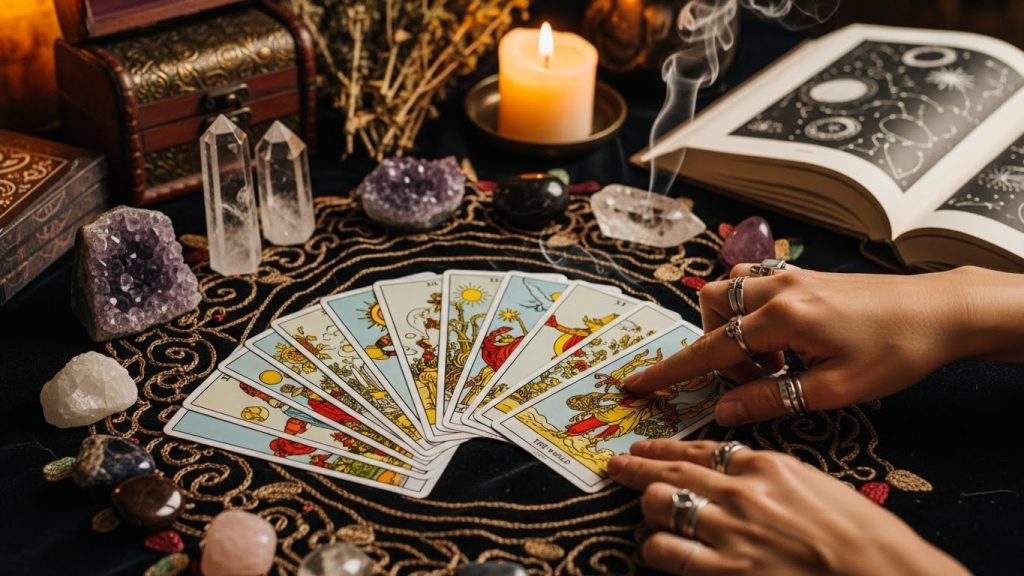
Unlocking the Secrets of Your Life Path: A Detailed Overview of Tarot Reading
In the mystical realm of divination, tarot reading stands out as a profound tool for gaining insights into one’s life path. More than just a deck of cards, tarot has been used for centuries to provide guidance, uncover truths, and illuminate the hidden aspects of our lives. Whether you are a seasoned practitioner or a curious novice, understanding the secrets of tarot reading can open doors to self-discovery and personal growth.
The Origins and Evolution of Tarot
The tarot deck, shrouded in mystery and intrigue, has its roots in the mid-15th century. Originally used as playing cards in Europe, tarot evolved into a tool for divination by the late 18th century. The traditional tarot deck comprises 78 cards, divided into the Major Arcana and Minor Arcana. Each card holds symbolic meanings and associations, reflecting archetypes and universal themes.
The Major Arcana consists of 22 cards, each representing significant life events or spiritual lessons. From the Fool to the World, these cards provide a narrative of the soul’s journey. The Minor Arcana, divided into four suits (Cups, Pentacles, Wands, and Swords), delves into everyday experiences and challenges.
The Structure of a Tarot Reading
A tarot reading involves laying out cards in a specific pattern, known as a spread. Each position in the spread holds a unique meaning, influencing the interpretation of the card placed there. Popular spreads include the three-card spread, offering insights into past, present, and future, and the Celtic Cross, a more comprehensive layout providing a detailed overview of a situation.

Interpreting the cards requires intuition and an understanding of the card meanings. Readers typically begin by shuffling the deck while focusing on a question or life area in need of insight. As the cards are drawn and placed in the spread, the reader delves into the symbolism and imagery, weaving a narrative that aligns with the seeker’s inquiry.
Understanding Card Meanings and Symbolism
Each tarot card is rich with symbolism, drawing from a tapestry of astrological, numerological, and elemental associations. The Major Arcana cards, such as the Magician or the High Priestess, often signify pivotal moments or transformative energy. In contrast, the Minor Arcana suits focus on practical aspects of life, such as emotions (Cups), finances (Pentacles), creativity (Wands), and intellect (Swords).
For example, drawing the Ten of Cups might indicate emotional fulfillment and harmony in relationships, while the Three of Swords might suggest heartbreak or conflict. The cards’ imagery acts as a mirror, reflecting the seeker’s current circumstances and subconscious mind.
The Role of Intuition in Tarot Reading
Intuition is the cornerstone of tarot reading. While knowledge of card meanings is essential, a reader’s ability to tap into their intuition allows for a more personalized and profound interpretation. Intuition bridges the gap between the conscious and subconscious, enabling the reader to perceive subtle energies and messages.
Many readers enhance their intuitive abilities through meditation, mindfulness, and practice. By quieting the mind and attuning to the energies of the cards, readers can provide insights that resonate deeply with the seeker’s experiences and emotions.
Common Myths and Misconceptions
Tarot reading is often surrounded by myths and misconceptions. One common belief is that tarot predicts the future with absolute certainty. In reality, tarot serves as a guide, offering possibilities and potential outcomes based on current energies and choices. It empowers seekers to make informed decisions rather than dictating a predetermined fate.
Another misconception is that tarot is inherently negative or connected to dark forces. In truth, tarot is a neutral tool that reflects both challenges and opportunities. It encourages self-reflection and personal growth, helping individuals navigate life’s complexities with clarity and confidence.
Integrating Tarot into Your Spiritual Practice
For those who wish to incorporate tarot into their spiritual practice, regular readings can be a transformative experience. Tarot encourages introspection, helping individuals explore their inner worlds and align with their higher selves. Many practitioners use tarot alongside other modalities, such as astrology or meditation, to deepen their spiritual journey.
Journaling tarot readings is another valuable practice. By recording insights and reflections, seekers can track their personal growth and recognize patterns over time. This practice fosters a deeper connection with the cards and one’s intuitive abilities.
Choosing the Right Tarot Deck
With countless tarot decks available, choosing one that resonates personally is essential for an effective reading experience. While the traditional Rider-Waite-Smith deck is popular for beginners, many modern decks offer unique themes and artistic interpretations.
When selecting a deck, consider the imagery and symbolism that speaks to you. A deck that resonates visually and energetically will enhance your intuitive connection during readings. Remember, the right deck is one that feels like an extension of your inner self.
Conclusion: Empowering Your Life Path with Tarot
Tarot reading is more than a mystical practice; it is a journey of self-discovery and empowerment. By unlocking the secrets of tarot, individuals can gain clarity, navigate challenges, and align with their true life path. Whether you seek guidance on love, career, or personal growth, tarot offers a window into the soul’s deepest desires and potentials.
Embrace the transformative power of tarot as a tool for insight and reflection. Allow the cards to guide you on a path of self-awareness and spiritual growth, illuminating the mysteries of life and the universe.
Practical Tips for Tarot Beginners
If you are new to tarot reading, the journey can seem a bit overwhelming at first. Here are some practical tips to help you start with confidence:
- Start with a Simple Spread: Begin with basic spreads such as the one-card or three-card spread. These simple layouts allow you to focus on understanding the cards without feeling overwhelmed.
- Spend Time with Each Card: Take time to study each card individually. Look at the imagery, colors, and symbols. Reflect on how the card makes you feel and try to relate it to your own life experiences.
- Keep a Tarot Journal: Document your readings and insights in a journal. Write down the cards drawn, your interpretations, and any emotions or thoughts that arise. Over time, you’ll be able to see patterns and growth in your readings.
- Trust Your Intuition: While it’s important to learn the traditional meanings of the cards, don’t hesitate to trust your own interpretations. Your intuition can provide unique insights that are personally meaningful to you.
Exploring Tarot Beyond Personal Readings
Tarot’s utility isn’t confined to personal introspection alone; it can also be a tool for fostering connections and community. Hosting tarot readings with friends or in workshops can create a shared space for discussion and growth. Each participant brings their perspective, enriching the collective understanding of the cards.
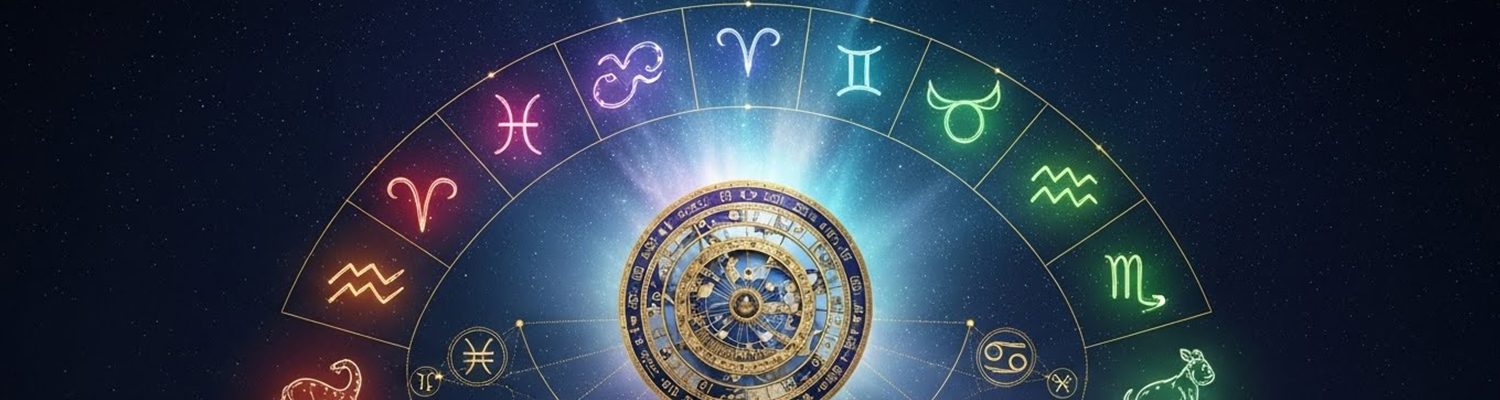
Additionally, tarot can complement other spiritual practices. For example, combining tarot with astrology can offer a more holistic view of your life path. While tarot provides immediate insights and guidance, astrology offers a broader cosmic perspective, allowing you to align your actions with planetary cycles and energies.
Ethical Considerations in Tarot Reading
As with any form of guidance, ethical considerations are crucial in tarot reading. Readers should approach each session with empathy, respect, and confidentiality. Here are some ethical guidelines to consider:
- Respect Privacy: Ensure that all information shared during a reading remains confidential. This is especially important when reading for others.
- Avoid Predicting Specific Events: Instead of predicting specific future events, focus on exploring possibilities and potential outcomes. Encourage the seeker to make empowered choices.
- Be Compassionate: Approach sensitive topics with care and empathy. Tarot readings should be a supportive and healing experience, not a source of fear or anxiety.
The Future of Tarot Reading
As interest in spirituality and self-development grows, tarot reading continues to evolve and adapt. Online platforms and digital tools have made tarot more accessible than ever, allowing seekers to connect with readers worldwide or explore the cards through apps and virtual readings.
Despite these technological advancements, the heart of tarot remains unchanged. It is a reflective practice that empowers individuals to explore their inner worlds and make meaningful connections with the universe. Whether practiced in person or online, tarot continues to inspire and guide those who seek its wisdom.
Final Thoughts
Tarot reading is a dynamic and enriching practice that offers profound insights into the human experience. By unlocking the secrets of tarot, you can embark on a journey of self-discovery, healing, and empowerment. Whether you approach the cards with curiosity or reverence, allow them to be a mirror that reflects your deepest truths and guides you on your life path.
Remember, the journey with tarot is personal and ever-evolving. Embrace the mystery and magic of the cards, and let them illuminate your path with wisdom and clarity.
About the Author