
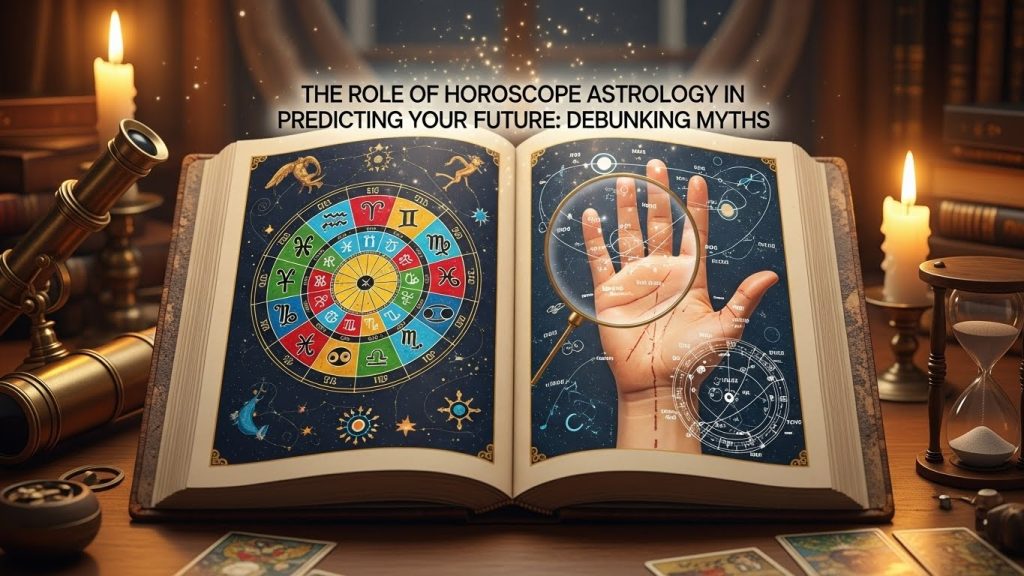
The Role of Horoscope Astrology in Predicting Your Future: Debunking Myths
Since ancient times, humans have looked to the stars for guidance, hoping to find clues about their future. Horoscope astrology, a system of divination based on the positions of celestial bodies, has been a central part of this quest. While some people swear by its accuracy, others dismiss it as pseudoscience. In this blog post, we will explore the role of horoscope astrology in predicting the future and debunk common myths associated with it.
Understanding Horoscope Astrology
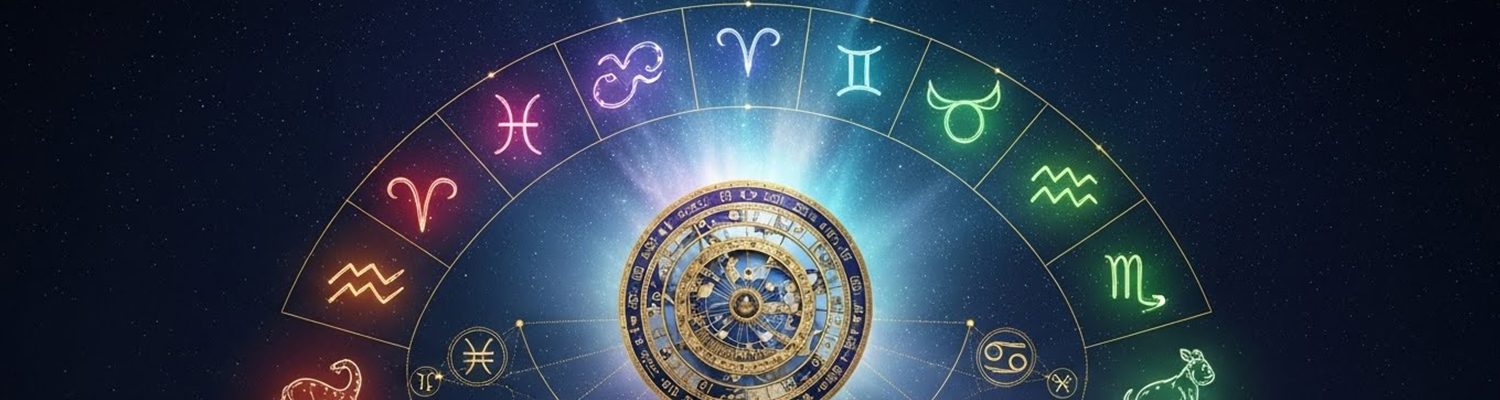
Horoscope astrology involves using an individual’s birth chart, also known as a natal chart, to gain insights into their personality and potential life events. This chart is created based on the exact date, time, and location of one’s birth, mapping the positions of the planets, the sun, and the moon at that moment. Astrologers interpret these positions to provide forecasts and guidance.
The practice of astrology has deep roots, dating back to ancient civilizations such as the Babylonians and Egyptians. Throughout history, it has evolved and diversified, leading to various systems and techniques, such as Western astrology, Vedic astrology, and Chinese astrology.
Debunking Common Myths
Despite its popularity, horoscope astrology is often surrounded by misconceptions. Let’s debunk some common myths:
Myth 1: Astrology is a Science
While astrology involves complex calculations and a deep understanding of celestial movements, it is not a science in the traditional sense. Unlike science, which relies on empirical evidence and testable hypotheses, astrology is more akin to an art form. It requires interpretation and intuition. Encyclopedia Britannica explains that astrology is a belief system rather than a scientific discipline.

Myth 2: Your Horoscope Always Predicts the Future
One of the most persistent myths is that horoscopes can predict specific future events with certainty. In reality, astrology offers a framework for understanding potential influences and tendencies rather than deterministic predictions. It provides guidance on how to navigate life’s challenges and opportunities. Astrology.com highlights that astrology is about potential, not prediction.
Myth 3: All Astrologers are the Same
Astrologers are as diverse as the individuals they read for. They come from various cultural backgrounds and may specialize in different branches or techniques. Some may focus on psychological aspects, while others emphasize predictive astrology. It is essential to find an astrologer whose approach resonates with you. Cafe Astrology provides resources to help you understand different astrological practices.
The Psychological Benefits of Horoscope Astrology
Despite its critics, horoscope astrology can offer several psychological benefits. Here are a few ways it can positively impact individuals:
Self-Reflection and Personal Growth
By exploring their birth charts, individuals can gain deeper insights into their personalities, strengths, and weaknesses. This self-awareness can lead to personal growth and a better understanding of one’s motivations and desires.
Stress Reduction
Astrology can serve as a tool for stress reduction by offering reassurance and guidance during challenging times. By understanding potential influences, individuals can approach situations with a sense of preparedness and calmness. Psychology Today discusses how astrology can provide comfort and a sense of control.
Relationship Insights
Astrology can shed light on relationships by analyzing compatibility and communication styles. This understanding can improve interpersonal dynamics and foster healthier connections.
The Limitations of Horoscope Astrology
While horoscope astrology can be insightful, it is essential to recognize its limitations. Here are a few aspects to consider:
Generalization
Horoscopes often provide general predictions that may apply to many people. This broadness can lead to the Barnum effect, where individuals perceive vague statements as highly accurate. It is crucial to approach horoscopes with a critical mind.
Confirmation Bias
People may selectively remember predictions that come true while ignoring those that do not. This confirmation bias can reinforce belief in astrology while overlooking its inaccuracies.
Dependency
Relying too heavily on horoscopes can lead to dependency, where individuals make decisions solely based on astrological guidance. It is vital to balance astrology with rational decision-making and personal agency.
The Integrative Approach: Astrology and Other Modalities
For those who seek a balanced approach, integrating astrology with other modalities can provide a more comprehensive understanding of oneself and the world. Here are some ways to combine astrology with other practices:
Tarot Reading
Tarot reading, like astrology, is a tool for introspection and guidance. Combining the two can offer a multi-faceted view of life’s challenges and opportunities, enhancing self-discovery and personal growth.
Meditation and Mindfulness
Incorporating meditation and mindfulness practices can help individuals process astrological insights more effectively. These practices promote self-awareness, emotional regulation, and present-moment living.
Psychotherapy
For those facing significant life challenges, combining astrology with psychotherapy can provide valuable support. While astrology offers insights into potential influences, therapy can address underlying psychological issues.
Takeaways
Horoscope astrology remains a fascinating and widely practiced form of divination. While it may not predict the future with certainty, it offers valuable insights into personality, relationships, and life’s challenges. By debunking myths and understanding its psychological benefits and limitations, individuals can make informed choices about how to integrate astrology into their lives. Ultimately, astrology is a tool for self-discovery and empowerment, encouraging individuals to explore their potential and navigate their journeys with greater awareness.
Exploring Astrology’s Cultural Significance
Beyond personal insights, astrology holds cultural significance across the globe. It has shaped beliefs, traditions, and historical narratives in various societies. Understanding this cultural aspect can deepen our appreciation of astrology’s role in human history.
Astrology in Ancient Civilizations
Many ancient civilizations, such as the Mesopotamians, Greeks, and Romans, integrated astrology into their daily lives and governance. Celestial events were believed to influence the fate of kings and empires. The movements of the stars and planets were meticulously recorded and interpreted as omens of prosperity or disaster. This historical backdrop underscores astrology’s profound impact on ancient cultures.
Astrology and Religion
In several religious traditions, astrology has played a crucial role in shaping spiritual beliefs. For instance, the Magi, or wise men, who visited Jesus after his birth, were likely astrologers. In Hinduism, astrology remains intertwined with religious practices, guiding decisions such as marriage compatibility and auspicious timings for rituals.
Astrology in Modern Culture
In contemporary times, astrology has experienced a resurgence in popularity, particularly among younger generations. It has become a cultural phenomenon, with memes, social media posts, and online communities dedicated to sharing astrological insights. This renewed interest reflects a broader quest for meaning and connection in a rapidly changing world.
Astrology’s Role in Personal Empowerment
While astrology may not offer definitive answers, it can play a role in personal empowerment by encouraging individuals to take ownership of their lives. Here’s how astrology can foster a sense of agency and self-determination:
Encouraging Self-Reflection
Astrology prompts individuals to reflect on their inner selves, helping them identify personal goals and aspirations. By examining their birth charts, people can gain clarity on their strengths, weaknesses, and life paths, fostering a sense of purpose and direction.
Providing a Framework for Decision-Making
While astrology should not replace rational decision-making, it can offer valuable perspectives. By considering astrological influences alongside practical considerations, individuals can make more informed choices that align with their values and desires.
Fostering Community and Support
Astrology often brings people together, creating a sense of community and support. Online forums, workshops, and astrology groups provide spaces for individuals to share experiences, exchange insights, and offer encouragement. This sense of belonging can be empowering, especially during challenging times.
The Future of Horoscope Astrology
As we look to the future, horoscope astrology is likely to continue evolving, adapting to new cultural and technological landscapes. Here are some trends that may shape its trajectory:
Integration with Technology
Advancements in technology are making astrology more accessible than ever. Mobile apps, online readings, and interactive platforms are allowing people to explore astrology at their convenience. This digital transformation is likely to continue, offering new ways to engage with astrological content.
Scientific Research and Skepticism
While astrology is not a science, there is growing interest in studying its psychological and cultural impact. Researchers may explore how astrology influences behavior, decision-making, and social dynamics. This scientific inquiry could provide valuable insights while encouraging critical thinking and skepticism.
Globalization and Cross-Cultural Exchange
As the world becomes more interconnected, astrology is likely to experience cross-cultural influences. Practices from different traditions may merge, leading to new interpretations and approaches. This globalization of astrology could enrich its diversity and appeal.
Final Thoughts
Horoscope astrology, with its rich history and cultural significance, continues to captivate the imagination of millions. While it may not hold the key to predicting specific future events, it offers a unique lens through which to explore our identities and navigate life’s complexities. By approaching astrology with an open mind and a critical eye, individuals can harness its potential for self-discovery, empowerment, and community connection. Ultimately, astrology is a testament to humanity’s enduring quest for understanding and meaning in the cosmos.
About the Author