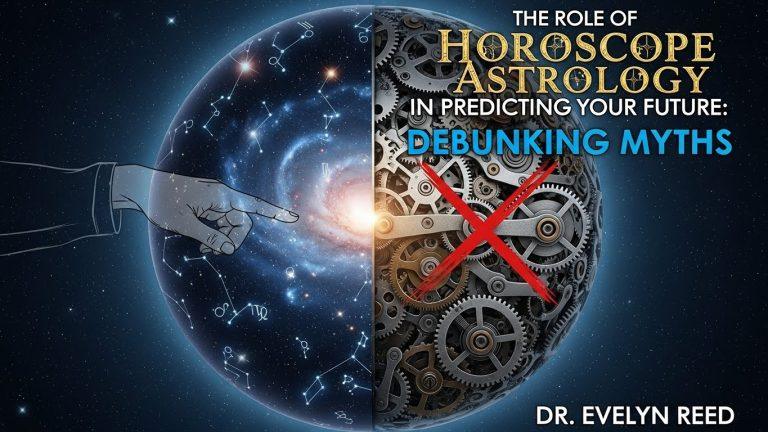

entrepreneurship Astrology Philippines is increasingly part of the conversation among Filipino founders who seek a holistic view of timing, risk, and opportunity. For many in the Philippines, astrology sits alongside market research, financial planning, and customer insight as a culturally resonant tool. This article examines how astrology can inform entrepreneurial decisions without replacing rigorous business methods, and why a measured, evidence-informed approach matters for startups in the Philippine context.
Astrology and the Philippine entrepreneurial mindset
In the Philippines, cultural traditions often shape how people approach big decisions, including when to launch a product, begin a marketing push, or scale operations. Astrology—whether used for personal guidance or broader planning—tosters into daily routines and strategic conversations in many business circles. While astrology cannot forecast exact outcomes, it can help teams reflect on timing, stakeholder alignment, and readiness. For a growing startup sector in the country, this translates into a disciplined checklist: align major initiatives with collective readiness, provide space for iterative learning, and remain mindful of external factors such as market cycles, supply chains, and regulatory changes.
There is also a parallel conversation about Feng Shui and workspace energy in the local business culture. In practice, entrepreneurs may consider simple, non-disruptive adjustments to their offices—clear layouts, logical pathways, and harmonious design elements—to foster focus and collaboration. When paired with clear metrics and customer feedback loops, these considerations can complement data-driven decision-making rather than contradict it.
Forecasts, trends, and practical planning for Filipino startups
The value of astrology in entrepreneurship lies less in predicting a date when success will occur and more in encouraging a disciplined planning process. Filipino founders can use astrological concepts as prompts for regular reviews and scenario planning. For example, a team might map major product milestones to internal calendars and lunar or planetary cycles as a courtesy to team rhythms and morale—but rely primarily on market research, competitive analysis, and cash-flow planning to determine feasibility.
Practically, startups in the Philippines can adopt a framework that treats astrology as a supplementary lens. Before a funding round or a significant product launch, teams can ask: Do we have validated demand? Is the unit economics sustainable? Are we aligned on responsibilities and communication channels? By documenting these checks, founders keep astrology from becoming a substitute for rigorous analysis, while still benefiting from the cultural resonance and reflective pause it can provide.
For entrepreneurs navigating a dynamic Philippine market, timing also means being sensitive to local realities—seasonality in consumer spending, regional logistics challenges, and the pace of regulatory changes. Astrology-inspired reflections can be paired with practical market research, pilot testing, and phased rollouts to reduce risk and build resilience. In this climate, the most successful ventures often combine disciplined experimentation with a flexible mindset toward strategy and execution.
What entrepreneurs should consider when using astrology in business decisions
Adopting astrology as part of business decision-making requires balance. Forecasts or symbolic readings should augment, not supplant, evidence-based planning. While celestial insights can illuminate patterns of energy, founders should be wary of overreliance or misinterpretation that could lead to delayed decisions or ill-timed investments. The Philippines’ entrepreneurial landscape rewards agility, transparency, and practical risk management—qualities that astrology can support when used as a narrative device rather than a rulebook.
Key considerations include documenting assumptions, setting measurable milestones, and building a diverse advisory network. Cross-check celestial-inspired timing with customer data, cash flow projections, and contingency plans. When teams treat astrology as a reflective tool—an invitation to pause, discuss, and recalibrate—the result can be more thoughtful execution and better alignment across departments.
Finally, ethical and reputational considerations matter. Businesses should avoid implying guarantees or creating sensational forecasts that could mislead customers or investors. Clear communication about what astrology informs—and what it does not—helps maintain trust with stakeholders in a market where credibility matters as much as charisma.
Actionable Takeaways
- Frame astrology as a supplementary planning prompt, not a decision-maker: pair celestial considerations with data-driven analysis.
- Align major milestones with a documented, data-backed roadmap: validate demand, unit economics, and cash flow before committing resources.
- Schedule regular strategy reviews that incorporate both reflective practices (informed by astrology) and evidence from customer feedback and market signals.
- Maintain clear communication about the role of astrology in planning to protect credibility with investors, partners, and customers.
- In the Philippine context, respect local culture while prioritizing practical execution, transparency, and resilience in supply chains and regulatory compliance.