
Across the Philippine business landscape, entrepreneurship Astrology Philippines sits at the intersection of tradition and rapid digital growth. In Manila, Cebu, and expanding regional hubs, some founders consult astrological forecasts and zodiac calendars alongside market research, cash flow models, and customer feedback. This piece examines how astrology interacts with practical entrepreneurship in the Philippines, what it can and cannot deliver, and how a balanced newsroom approach can help entrepreneurs use such beliefs without compromising rigor.
Astrology and Philippine Startup Culture
Astrology functions in the Philippines less as a primary decision-maker and more as a cultural lens through which timing, risk, and resilience are contemplated. For some startup founders, astrological calendars offer a way to frame planning sessions, team onboarding cycles, and client outreach within familiar rhythms. These choices are rarely made in isolation; they exist alongside customer research, competitive analysis, and formal business plans. In practice, entrepreneurs often describe astrology as a form of soft guidance that encourages reflective pauses before big bets, rather than a substitute for the hard data that underpins sustainable growth.
In this context, entrepreneurship becomes a conversation between tradition and modern method. Local accelerators and small business networks frequently emphasize disciplined execution—fast prototyping, clear KPIs, and cash-flow discipline—while acknowledging that cultural beliefs shape how teams interpret risk. The Philippine startup scene thus resembles a mosaic: technical competence and market savvy paired with personal narratives that provide meaning and motivation, rather than a single roadmap dictated by the stars.
Cyclic Trends and Market Timing
Astrological thinking often intersects with practical market timing. Some entrepreneurs monitor lunar cycles, zodiac forecasts, or calendar auspices when deciding launch dates, campaign periods, or hiring spurts. The idea is not to rely on mysticism alone but to harmonize business calendars with cultural expectations and seasonal demand patterns. For instance, a forecast that coincides with a peak shopping season or a community festival can influence outreach tactics, inventory planning, and messaging. While such timing considerations can add a culturally resonant layer to planning, they are most effective when anchored to customer insights, product readiness, and supply-chain stability.
Historical references—such as discussions around auspicious periods during the Year of the Fire Horse—illustrate how cycles can inform narrative and leadership psychology. In the Philippines, where family-owned firms and micro to small enterprises remain common, aligning leadership tempo with broader cultural calendars can help maintain morale and clarity during periods of uncertainty. Yet the strength of any timing choice rests on maintaining flexibility and clear measurement of outcomes against predefined targets.
Skepticism, Data, and Due Diligence
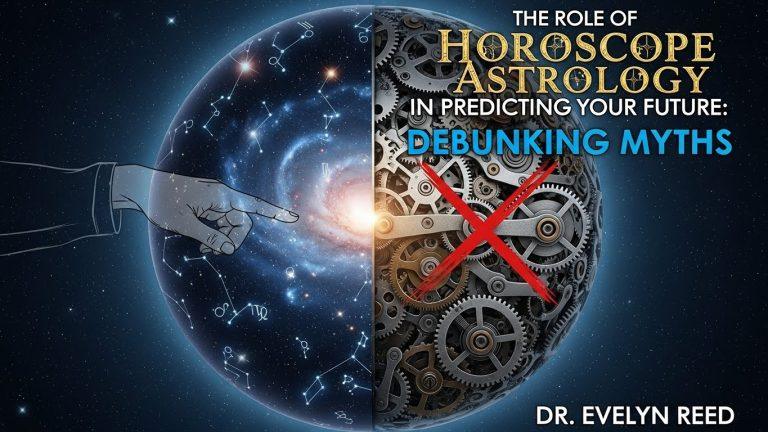
Critics rightly caution against overreliance on astrology when making strategic decisions. In a market where customer demand, regulatory changes, and financing conditions can shift quickly, decisions anchored solely in celestial timing risk misallocating resources or delaying necessary pivots. A pragmatic approach treats astrology as one of several qualitative lenses: it may shape questions, prompt scenario planning, or encourage moral support within a team, but it should be tested through experiments, data, and measurable outcomes.
From a newsroom perspective, reporting on this interface requires separating belief from evidence while acknowledging cultural context. Entrepreneurs should document decisions, track performance, and be ready to pivot if results diverge from expectations. The goal is balanced guidance: respect local beliefs without compromising the rigor required to build resilient businesses that can weather shifting market conditions.
Policy, Education, and Practical Guidance
Educators, policymakers, and business mentors can play a constructive role by normalizing critical thinking alongside cultural awareness. Curricula and training for aspiring Filipino entrepreneurs can incorporate modules on decision frameworks that integrate diverse perspectives—ethics, risk assessment, and stakeholder management—while reinforcing the importance of data-driven strategy. Local ecosystems can also promote transparency about how personal beliefs intersect with professional decisions, encouraging teams to agree on decision rights, measurement criteria, and review cycles that preserve accountability.
Practical guidance for founders combines disciplined experimentation with respectful engagement with cultural practices. Startups are advised to couple any astrologically themed planning with rigorous market validation, financial forecasting, and contingency planning. In an environment where access to capital and talent can be highly competitive, a transparent methodology that blends belief with business fundamentals can help sustain trust among investors, customers, and employees.
Actionable Takeaways
- Use astrology as a supplementary lens, not a sole driver of decisions.
- Pair timing considerations with clear KPIs, budgets, and risk controls.
- Document decisions and outcomes to build an evidence base over time.
- Seek mentorship and peer review to challenge assumptions and reduce bias.
- Frame cultural practices within a transparent decision-making process that stakeholders can trust.
- Adapt plans quickly when data indicate a need to pivot, regardless of auspicious dates.