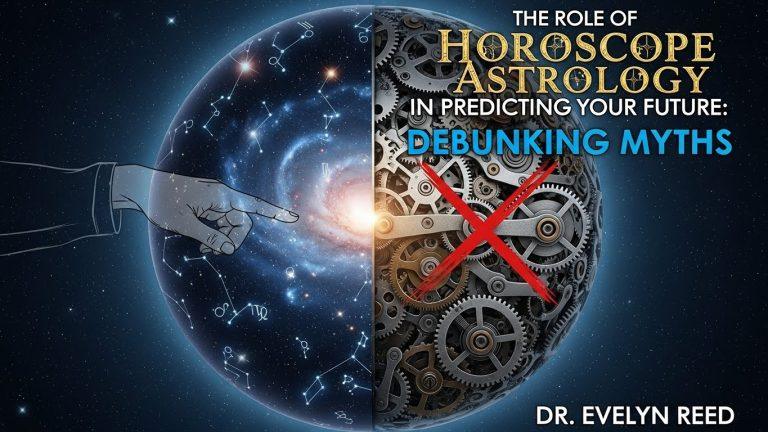

In the Philippines, conversations about church Astrology Philippines reveal a persistent tension between traditional Catholic life and the lure of celestial readings in everyday decisions. This analysis weighs how communities, clergy, educators, and media navigate astrology when it touches questions of meaning, morality, and daily life. Rather than framing astrology as a simple superstition, the conversation exposes a broader dynamic: belief systems adapt, institutions influence, and individuals seek bearings in a world of rapid information and shifting weather patterns. For Filipino readers, the topic sits at the crossroads of faith, culture, and the digital age, where the phrase church Astrology Philippines signals more than a label — it signals a field of practical questions about discernment, conscience, and community life.
Context: Faith, Astrology, and Filipino lived experience
Filipino religiosity is often a tapestry of devotions, family rituals, and community decisions. At the same time, a literacy of astrology remains visible in newspapers’ horoscopes, social media feeds, and neighborhood conversations. The Catholic Church remains a central moral voice in many provinces, yet parishioners commonly encounter astrology as a cultural artifact — something consulted for guidance on career, love, or personal timing. The church does not typically treat astrology as doctrinal teaching; rather, it frames discernment as the proper arena for faith, conscience, and responsibility. The practical question for many is not whether star signs exist, but how to balance cultural practices with a robust sense of faith and responsibility to others. In this sense, church Astrology Philippines embodies a lived pluralism: people anchor themselves in religious communities while still engaging with celestial ideas that shape mood, expectations, and choices in everyday life.
Diverse interpretations: From pastoral caution to popular belief
Across parishes and urban centers, clergy tend to urge discernment rather than outright dismissal of astrology. The aim is to prevent superstition from eclipsing prayer, ethical reflection, or communal service. Yet many families and younger readers treat astrology as a reflective tool rather than a creed, using horoscope insights as a prompt for conversation about personal goals, timing, or relationships. In parallel, a segment of lay ministers and youth groups explore how spiritual guidance can coexist with curiosity about astrology, posing questions about consent, agency, and moral imagination. The conversation mirrors a broader tension visible in the Philippines’ public discourse, where historical memory, media narratives, and everyday life converge. A notable historical touchstone is how church leaders have shaped public moral life during pivotal moments in the country’s recent history, reminding communities that spiritual discernment remains essential even as cultural practices evolve. This tension — caution paired with curiosity — defines the current landscape of church Astrology Philippines, with local nuance shaping how beliefs travel from sermon to feed and back again.
Implications for communities and media literacy
Astrology content now travels rapidly through smartphones, enabling rapid peer discussions and misinterpretations alike. For communities, this dynamic creates a need for media literacy within faith contexts: how to distinguish personal reflection from communal doctrine, how to verify sources, and how to discuss uncertainty without undermining trust. Churches can play a constructive role by offering spaces for dialogue that acknowledge people’s lived experiences while presenting clear boundaries between spiritual discernment and predictive reading. In practice, families and educators can model critical engagement: asking questions, checking sources, and recognizing when astrology informs a decision without replacing moral reasoning or prayer. The ash of misinformation tends to settle quickly when trusted voices provide context, clarifying that astrology can illuminate tendencies but cannot dictate moral responsibility or the sanctity of human dignity. This approach aligns with a pragmatic, practical frame for readers who navigate faith and inquiry in a digital era.
Policy and dialogue: bridging science, faith, and daily life
Bridging science, faith, and daily life requires deliberate dialogue rather than antagonism. Parishes can collaborate with science educators to develop programs that respect religious formation while teaching critical thinking about celestial claims. Catechesis can include modules on discernment, the difference between belief and evidence, and how to talk about uncertainty without stigma. Community forums and peer-led discussions can foster mutual understanding, enabling people to articulate what astrology means for their values, family life, and social responsibility. In scenario planning, faith communities might address new platforms for astrology head-on: if a popular app becomes a daily reference for life choices, churches could respond with outreach that emphasizes conscience formation, charitable action, and informed decision-making, rather than fear or exclusion. By creating space for honest conversation, the church can help people connect spiritual practice with informed, humane choices in everyday life.
Actionable Takeaways
- Clergy and lay leaders: Host regular discussion circles that explore discernment, ethics, and personal responsibility in relation to astrology, while reaffirming core faith practices.
- Families: Foster open dialogue at home about how astrology is used, ensuring it complements rather than replaces faith, prayer, and critical thinking.
- Educators and schools: Integrate media literacy and critical thinking about horoscopes and online content into faith-based and secular curricula to build discernment skills.
- Media creators and platforms: Provide clear labeling for astrology-based content and offer space for context, disclaimers, and educational perspectives within faith communities.
- Readers and participants: Differentiate personal belief systems from doctrinal teachings; seek guidance from trusted faith leaders when decisions have moral implications.
- Policymakers and community organizations: Support programs that promote digital literacy and responsible information-sharing, especially among youth and vulnerable communities.