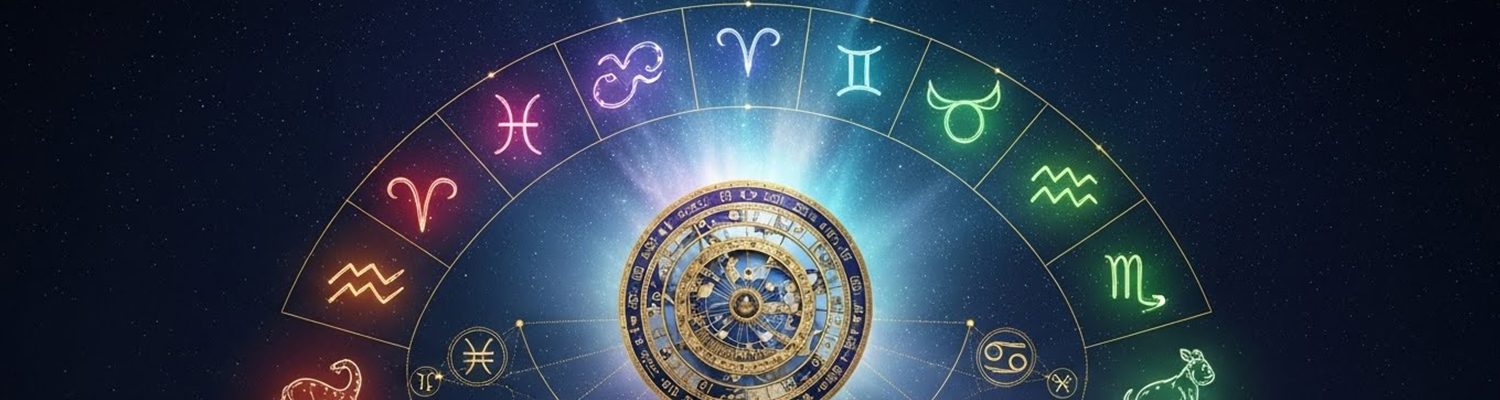
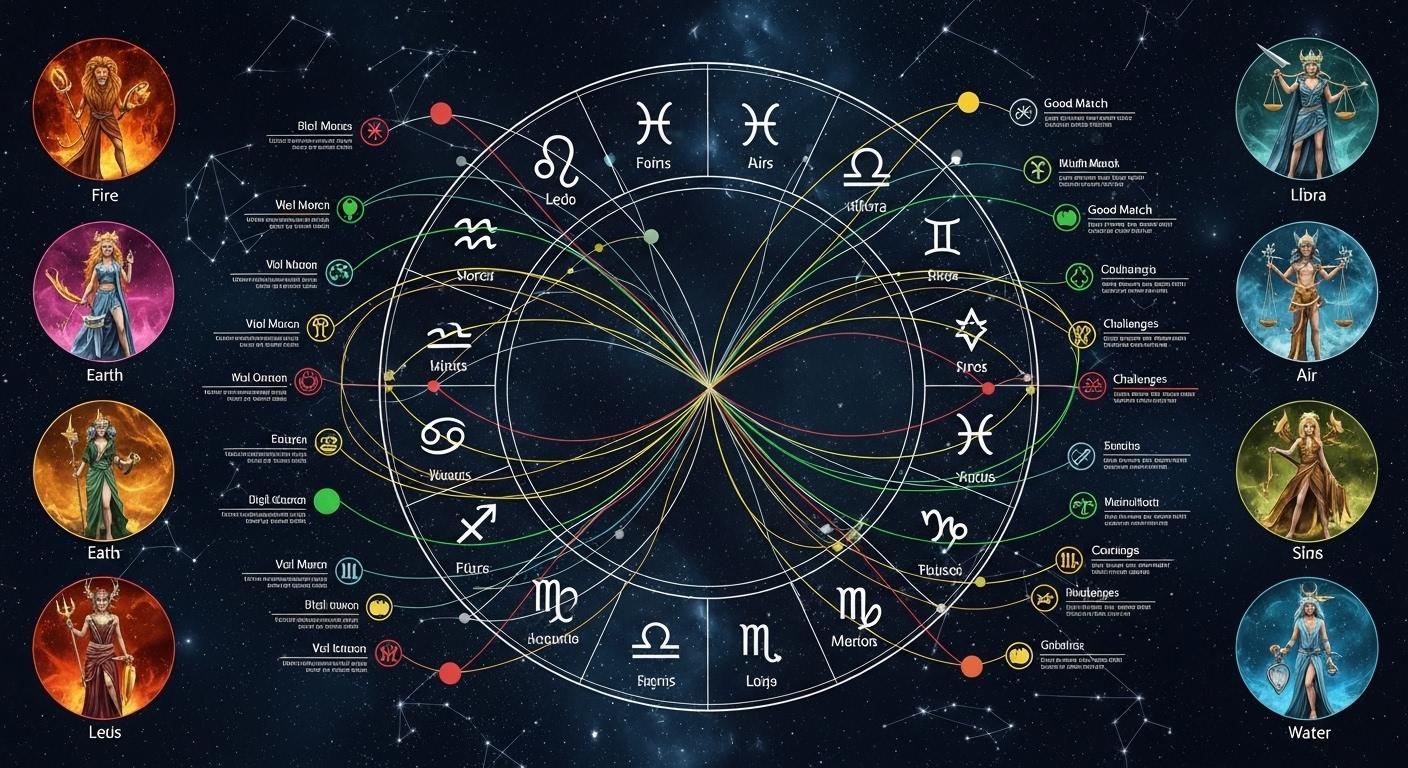
blood Astrology Philippines is more than a phrase; it anchors how many Filipinos interpret celestial events like the Blood Moon within daily life and local discourse. In this analysis, we examine how such blooms of astronomical symbolism translate into attitudes toward risk, decision-making, and community behavior, while separating tradition from verifiable science and official guidance. The Philippines, with its strong cultural currents and highly connected information networks, offers a vivid case study of how astrology and astronomy compete for attention when the sky glows red.
Understanding Blood Astrology in the Philippine Context
Across Manila, Cebu, Davao, and scattered towns, the phrase blood Astrology Philippines surfaces in social feeds, prayer groups, and market chatter as a shorthand for interpreting unfolding celestial moments. Belief systems here blend Roman Catholic rituals with local folk customs and a long history of chart-reading and omens. When a Blood Moon appears, conversations often pivot from wonder to practical questions: Should families adjust travel plans, home finances, or health precautions? Media narratives, whether traditional outlets or online creators, frequently color these questions with warnings or opportunities—inviting a broader audience to engage in what is effectively a cultural weather report.
Crucially, the line between symbolic meaning and actionable risk matters. Some readers treat the event as a reminder to pause and review personal goals; others see it as a cue to make sweeping decisions in the name of luck or caution. For policymakers and community organizers, the moment can serve as a test of how communications about celestial events are framed—whether to emphasize wonder, to defer to scientific authorities, or to acknowledge local beliefs without endorsing them as universal truth.
Historical threads and cultural resonance
Historically, Philippine communities have long layered celestial lore with practical calendars—monsoon cycles, planting schedules, and fishing patterns—so that the Blood Moon becomes part of a broader rhythm rather than a single sign. Colonial history, religious syncretism, and a strong oral tradition mean that astrology does not stand alone; it sits alongside social norms about fate, resilience, and communal responsibility. The symbolism of a red lunar disk resonates with themes of renewal and warning that recur across regional folklore and contemporary storytelling alike. In the digital age, personal testimonies about the Blood Moon travel quickly, shaping expectations and normalizing conversations that connect science with personal experience.
Economic and social implications
Astrology-based content is a small but persistent economic driver in the Philippines. Local publishers, online creators, and small businesses offer horoscopes, lunar calendars, and guided reflections tied to celestial events. When the Blood Moon returns, demand often spikes for merchandise and services promising “alignment checks” or protective rituals, even as mainstream institutions remind the public to rely on meteorological alerts, health advisories, and disaster-preparedness guidance. The risk is not that people believe something exotic, but that the lines between evidence, interpretation, and marketing blur to the point where critical scrutiny feels like a barrier to community expression. Journalistic coverage that foregrounds context, cites sources, and distinguishes symbolic readings from measurable phenomena can help sustain healthy public discourse while respecting cultural diversity.
Communities may also experience shifts in consumer behavior during these periods: increased interest in locally produced crafts, astrology-themed events, and even tourism-driven activity around celestial-viewing sites. In urban centers, rate cards for astrology consultations may rise temporarily, while in rural areas, residents may turn to elders and faith leaders for guidance—an enduring pattern that speaks to how belief systems adapt to new technologies rather than vanish in their wake.
Looking ahead: scenarios for the next lunar cycle
Forecasting in this space must balance curiosity with caution. In a best-case scenario, the Blood Moon could catalyze constructive conversations about science literacy, disaster readiness, and community welfare, while still honoring cultural storytelling. A more cautious outlook acknowledges the potential for misinformation to spread through sensational posts or oversimplified forecasts, which could distract households from practical steps like securing homes, checking emergency kits, or following official advisories. The Philippines’ regionally diverse audience means messages should be tailored—not only translated—so local dialects, urban-rural divides, and trust networks are considered. In any scenario, credible information ecosystems—local journalists, scientists, educators, and respected community leaders—should collaborate to frame celestial events as moments for learning, preparation, and civic solidarity rather than mere spectacle.
Actionable Takeaways
- Differentiate astronomy from astrology in public communications: present what is scientifically verifiable about the Blood Moon while acknowledging cultural interpretations as context, not instruction.
- Encourage practical preparedness aligned with official guidance: weather alerts, health advisories, and disaster-response plans should take priority over speculative forecasts.
- Promote media literacy: verify claims linked to celestial events before sharing or acting on them, especially on social media.
- Support community conversations: host discussions that include scientists, faith leaders, and local elders to translate celestial symbolism into constructive actions.
- Be mindful of consumer choices: avoid unvetted services or products that claim to “protect” or “align” households based solely on a moon phase.