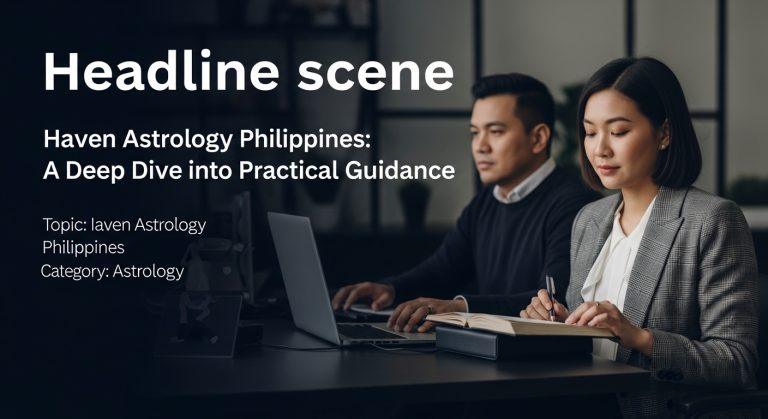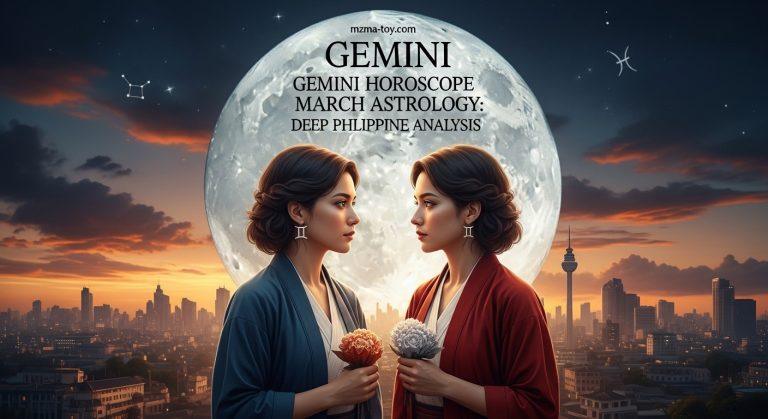
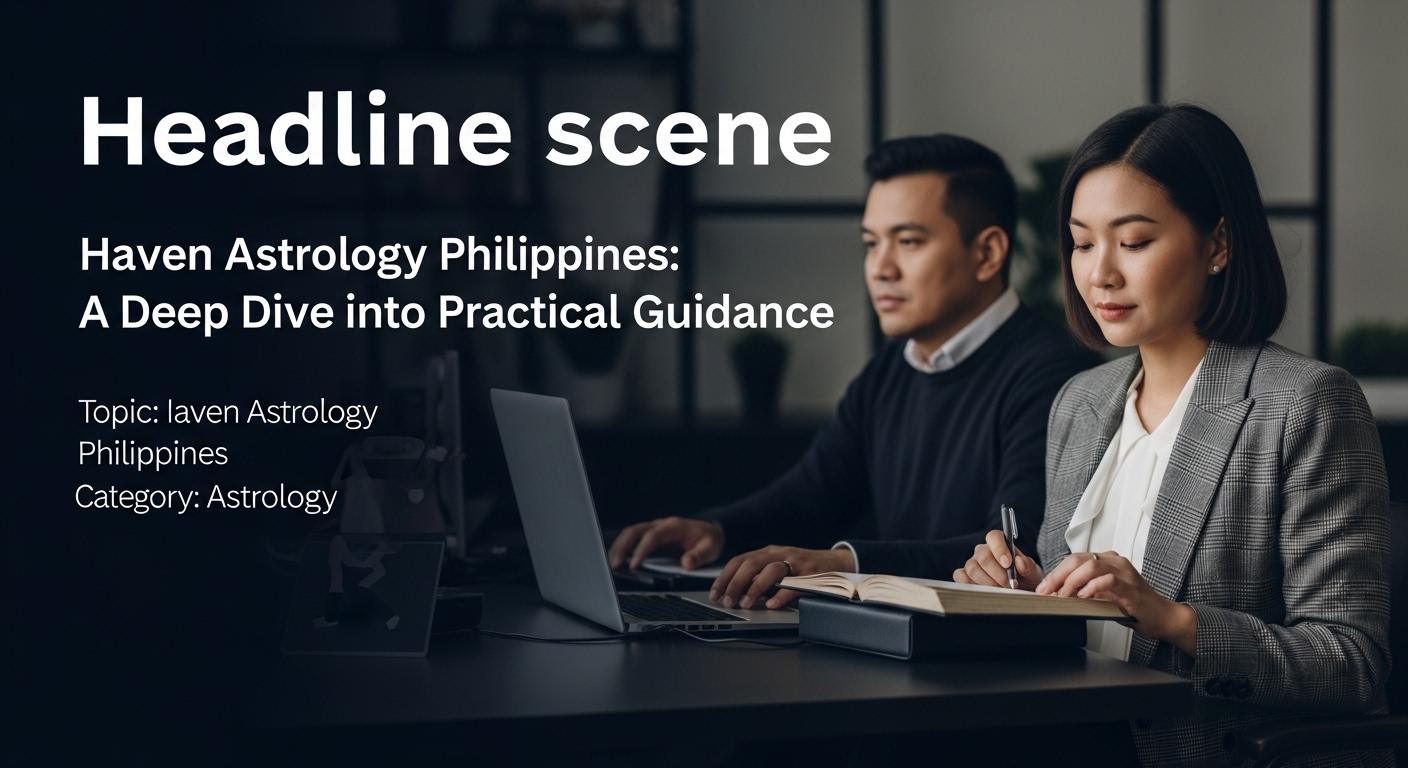
Astrology planning in the Philippines with chart reading and urban backdrop.
Updated: April 8, 2026
In the Philippines, haven Astrology Philippines serves not just as entertainment but as a practical framework for navigating daily life amid rapid change, from rising cost of living to shifting work patterns. While skeptics argue for empirical methods, many Filipinos cite astrology as a haven that helps structure choices, manage expectations, and find a sense of agency in uncertain times.
Context in the Philippines
Astrology has long threaded through Filipino daily life, from household decision-making to the small talk of markets and radio programs. Families often reference the positions of the sun, moon, and planets when planning family events, travel, or even the timing of loans and purchases. In urban centers and rural towns alike, social media platforms amplify horoscopes and birth-chart readings, turning personal insight into a shared cultural conversation that offers belonging and reassurance as much as prediction.
In a country with a young, highly connected population and a growing gig economy, people increasingly seek symbolic frameworks to interpret uncertainty. The appeal is pragmatic: if a forecast aligns with observed patterns—seasonal work, weather shifts, or migration cycles—it reinforces a narrative of control rather than fatalism. This dynamic has helped haven Astrology Philippines gain traction not only among believers but also among cautious consumers who want a psychologically legible way to frame risk.
Culture and Credibility of Astrology
Credit for astrological practice in the Philippines rests on a blend of tradition, media, and personal networks. Horoscopes appear in daily newspapers, on radio call-in segments, and on social feeds where followers compare charts and testimonials. The credibility gap widens when sophisticated interpretations collide with quick-spark memes, so the most trusted practitioners tend to pair readings with transparent caveats: astrology clarifies possibilities, it does not guarantee outcomes.
That nuance matters in a culture that prizes community and face-saving. People often use star-sign tendencies to frame a decision rather than to dictate it. Critics warn that overreliance can invite confirmation bias or financial risk, especially when services offer paid readings or personalized forecasts. The responsible segment treats astrology as a complement to data-driven planning, not a substitute for it.
Practical Use of Horoscopes in Daily Life
For many Filipinos, horoscopes function as a seasonal mood check and a planning tool. A favorable transit might encourage someone to audition for a role, launch a side project, or consolidate debt by a particular date. A challenging transit may prompt caution, more thorough research, or a slower pace. The practical value lies in turning abstract symbol sets into actionable steps—set micro-goals, build contingency plans, and document outcomes to test whether the reading held predictive value in real life.
Beyond individual decisions, astrology also helps families synchronize calendars around important events, from weddings to remittance cycles. In business contexts, small entrepreneurs use celestial timing as a narrative anchor to explain fluctuations in demand while maintaining a flexible strategy that relies on data, not dogma.
Source Context
The following linked sources provide broader reporting on related uncertainties and how communities respond to risk in different spheres. They illustrate that people worldwide seek meaning through narrative frameworks—even as societies strive for resilience and evidence-based policy.
- Hindustan Times: We haven’t slept in days — migrant workers risk amid Gulf conflict
- Arizona Daily Star: Philippines Iran coverage
- Mongabay: Deadly landfill collapse and waste-pickers risks
Actionable Takeaways
- Use astrology as a planning aid, not a sole decision-maker; couple readings with data and practical analysis.
- Seek readings from credible practitioners who disclose limits and provide transparent caveats.
- Document outcomes of decisions influenced by astrology to assess its real-world utility.
- Be mindful of sensational content on social platforms; verify sources before acting on a forecast.
- Integrate reflective practices—journaling or quick reviews—to gauge whether celestial timing aligns with tangible results.
From an editorial perspective, separate confirmed facts from early speculation and revisit assumptions as new verified information appears.
Track official statements, compare independent outlets, and focus on what is confirmed versus what remains under investigation.
For practical decisions, evaluate near-term risk, likely scenarios, and timing before reacting to fast-moving headlines.
Use source quality checks: publication reputation, named attribution, publication time, and consistency across multiple reports.