Unveiling the Science Behind Horoscope Astrology: A Comprehensive Guide
Astrology has long been a subject of intrigue and fascination, often described as the study of celestial movements and their influence on human affairs. Despite its ancient origins, astrology continues to captivate millions worldwide, with horoscopes being a popular way for people to gain insights into their daily lives. This comprehensive guide aims to unravel the science behind horoscope astrology, exploring its history, the role of celestial bodies, and its relevance in modern times.
The Historical Roots of Astrology
The history of astrology is as old as civilization itself. Originating in ancient Mesopotamia, astrology was initially used to predict the outcomes of wars and the rise and fall of kingdoms. The Babylonians were the first to develop a comprehensive system of astrology around the 2nd millennium BCE. This system was later adopted and refined by the Greeks, who introduced the twelve zodiac signs that we are familiar with today.
The Greeks believed that the positions of the stars and planets could influence human events, a concept that has persisted through the ages. The ancient Greek philosophers, including Plato and Aristotle, made significant contributions to the field, intertwining it with their studies of mathematics and astronomy.
The Science of Celestial Influence
At the heart of astrology is the belief that celestial bodies—such as planets and stars—exert influence over human lives. This is based on the principle of synchronicity, which suggests that events on earth are mirrored by the positions and movements of celestial bodies in the universe. Astrologers interpret these patterns to provide insights into personality traits and future events.
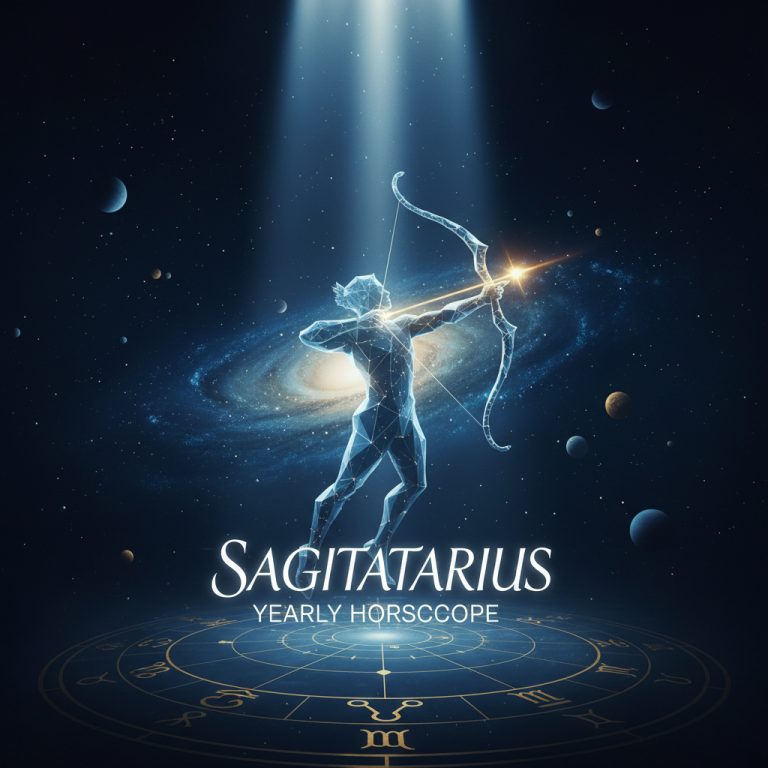
The zodiac is divided into twelve signs, each associated with specific personality traits and life experiences. The position of the sun, moon, and planets at the time of a person’s birth is used to create a natal chart, which is a map of the heavens at that exact moment. This chart forms the basis for personalized horoscopes, offering guidance on various aspects of life, from career to relationships.
Astrology in Modern Times
In today’s world, astrology has gained a new wave of popularity, particularly in the digital age. With the rise of the internet, personalized horoscopes are readily available, and many people turn to them for psychological insights and guidance. This resurgence can be attributed to a growing interest in spirituality and self-discovery, as well as the desire for a deeper understanding of the self.
Despite the skepticism from the scientific community, astrology maintains a significant cultural presence. Many people find comfort and reassurance in their horoscopes, using them as tools for self-reflection and personal growth.
Criticism and Scientific Perspective
Astrology has its share of critics, particularly from the scientific community, which often dismisses it as pseudoscience. Critics argue that there is no empirical evidence supporting the notion that celestial bodies affect human behavior. The scientific perspective highlights that astrology lacks the rigorous testing and validation typically associated with scientific disciplines.
Nonetheless, astrology’s enduring appeal suggests that it fulfills a psychological or emotional need for many individuals. Some psychologists believe that astrology may work as a placebo, offering comfort and a sense of control during times of uncertainty.
Practical Applications of Astrology
Beyond personal horoscopes, astrology has found applications in various fields. In business, some companies use astrology to guide decision-making processes, such as choosing auspicious dates for launching products or signing contracts. In healthcare, certain practitioners integrate astrology into holistic approaches, considering planetary positions in their treatment plans.
Furthermore, astrology’s influence extends to the arts, where it has inspired countless works of literature, music, and visual art. Many artists explore astrological themes, using them as metaphors for human experience and the interconnectedness of all things.
The Future of Astrology
As we look to the future, astrology’s role in society is likely to continue evolving. The increasing intersection of technology and astrology could lead to more personalized and accessible astrological services. Innovations such as artificial intelligence and big data analytics may offer new insights into celestial patterns and their potential influences.
Moreover, the growing interest in alternative and holistic practices suggests that astrology will remain a valuable tool for those seeking meaning and connection in their lives.
Takeaways
While the scientific validity of astrology remains a topic of debate, its cultural significance and enduring popularity are undeniable. Astrology offers a unique perspective on the human experience, bridging the gap between the cosmos and our daily lives. Whether you view it as a source of entertainment or a tool for self-discovery, astrology continues to captivate and inspire. For those interested in exploring the depths of their own astrological charts, numerous resources are available to help unlock the mysteries of the stars.
In understanding the science behind horoscope astrology, we gain not only insights into this ancient practice but also a deeper appreciation for the ways in which humans have sought to understand their place in the universe throughout history.
Integrating Astrology with Modern Science
One of the intriguing aspects of astrology is its potential intersection with modern scientific disciplines. While traditional science and astrology have often been at odds, some researchers are exploring how these fields might complement one another. For instance, the study of chronobiology, which examines the influence of celestial bodies on biological rhythms, shares common ground with astrological principles.
Similarly, psychological astrology seeks to bridge the gap between astrology and psychology, offering insights into personality and behavior. By examining the symbolic meanings of planets and signs, psychological astrology provides a framework for understanding the complexities of the human psyche.
Astrology and Cultural Impact
Astrology’s influence extends beyond personal reflection, playing a significant role in shaping cultural narratives and societal trends. From ancient myths and legends to modern media, astrological themes have permeated various forms of storytelling. This cultural impact reflects astrology’s enduring power to resonate with the human experience.
In literature, astrological references are often used to enrich character development and plot dynamics. In film and television, astrological symbolism can add layers of meaning and depth, inviting audiences to explore the archetypal forces at play in their lives. Astrology’s presence in popular culture underscores its ability to connect with people on a deeply intuitive level.
The Personal Journey with Astrology
For many individuals, astrology is more than a tool for prediction; it is a journey of self-exploration and empowerment. By engaging with their astrological charts, individuals can gain insights into their strengths, challenges, and potential life paths. Astrology encourages introspection, prompting people to reflect on their values, relationships, and life choices.
This process of self-discovery can lead to greater self-awareness and personal growth, empowering individuals to make informed decisions and embrace their authentic selves. Whether through daily horoscopes or in-depth chart analyses, astrology offers a lens through which to view and navigate life’s complexities.
Conclusion: Embracing Astrology’s Timeless Wisdom
Astrology, with its rich history and multifaceted dimensions, continues to captivate minds and hearts around the globe. While debates about its scientific merit persist, the personal and cultural significance of astrology cannot be denied. It offers individuals a framework for understanding their place in the cosmos, inspiring them to explore the mysteries of the universe and their inner worlds.
As we continue to advance technologically and scientifically, astrology’s enduring presence serves as a reminder of the human desire to seek meaning and connection. Whether viewed as a science, an art, or a spiritual practice, astrology invites us to embrace the timeless wisdom of the stars and the infinite possibilities they hold.
Astrology’s Role in Community and Connection
Beyond individual exploration, astrology has the power to bring people together, fostering a sense of community and shared understanding. Astrological gatherings, workshops, and online forums provide platforms for enthusiasts to connect, share insights, and support one another on their journeys.
These communities often serve as safe spaces for individuals to express their beliefs and experiences without judgment. They offer opportunities for learning and growth, as members exchange ideas and interpretations of astrological phenomena. Through these interactions, astrology becomes a communal practice, transcending cultural and geographical boundaries.
Astrology and Personal Development
Astrology can be a valuable tool for personal development, offering guidance and clarity during life’s transitions. By examining transits and progressions—astrological techniques that track planetary movements over time—individuals can anticipate periods of change and prepare for new opportunities.
For example, understanding the influence of Saturn returns, a significant astrological event that occurs approximately every 29.5 years, can help individuals navigate periods of maturation and responsibility. Similarly, recognizing the impact of Jupiter’s cycles can illuminate periods of growth and expansion.
By integrating these insights into their personal development plans, individuals can harness the potential of astrological cycles to achieve their goals and fulfill their aspirations.
Exploring the Ethics of Astrology
As with any practice that influences personal beliefs and decisions, astrology carries ethical considerations. Astrologers and enthusiasts alike must approach the practice with integrity, ensuring that interpretations and advice are offered responsibly and sensitively.
Professional astrologers often adhere to ethical guidelines, which emphasize the importance of confidentiality, respect, and informed consent. They strive to empower clients by providing insights that encourage autonomy and self-awareness, rather than fostering dependency or fear.
These ethical principles ensure that astrology remains a constructive and positive force, supporting individuals in their personal and spiritual growth.
Astrology’s Global Influence
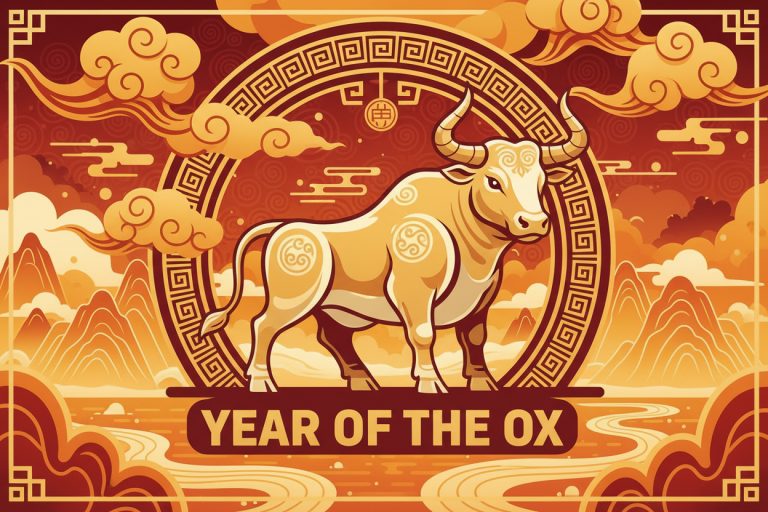
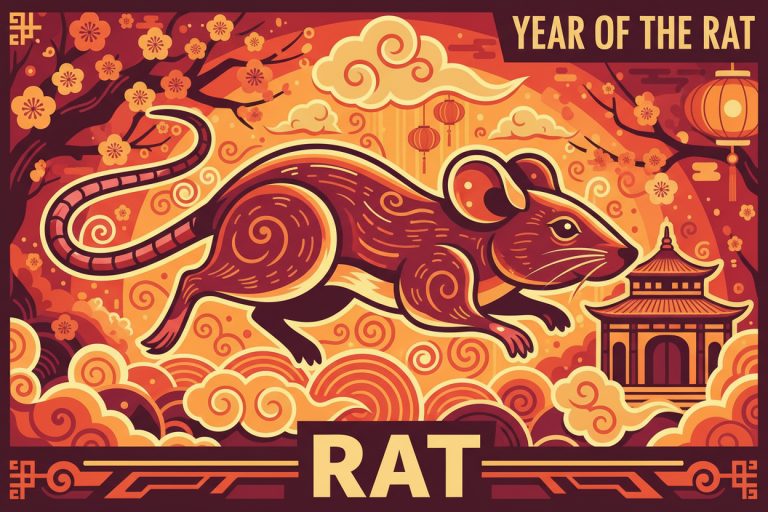
Astrology’s appeal is truly global, with diverse cultural traditions enriching its practice. While Western astrology is perhaps the most widely recognized, many other systems offer unique perspectives. Chinese astrology, for example, is based on a 12-year cycle, each year associated with a specific animal sign that influences personality and destiny.
Vedic astrology, rooted in the ancient traditions of India, uses a sidereal zodiac system that emphasizes karma and dharma, providing a spiritual framework for understanding life’s purpose. These diverse traditions highlight astrology’s adaptability and relevance across different cultures and belief systems.
Final Thoughts
Astrology, with its intricate blend of art, science, and spirituality, continues to inspire curiosity and wonder. It challenges us to look beyond the tangible world and consider the profound interconnectedness of all things. Whether used as a tool for self-reflection, a guide for personal and professional decisions, or a means of connecting with others, astrology remains a vibrant and dynamic practice.
In embracing astrology, we open ourselves to the mysteries of the universe, acknowledging the influence of the stars while carving our own paths. As we navigate the complexities of modern life, astrology offers timeless wisdom and a reminder of the endless possibilities that lie within us and beyond.
About the Author