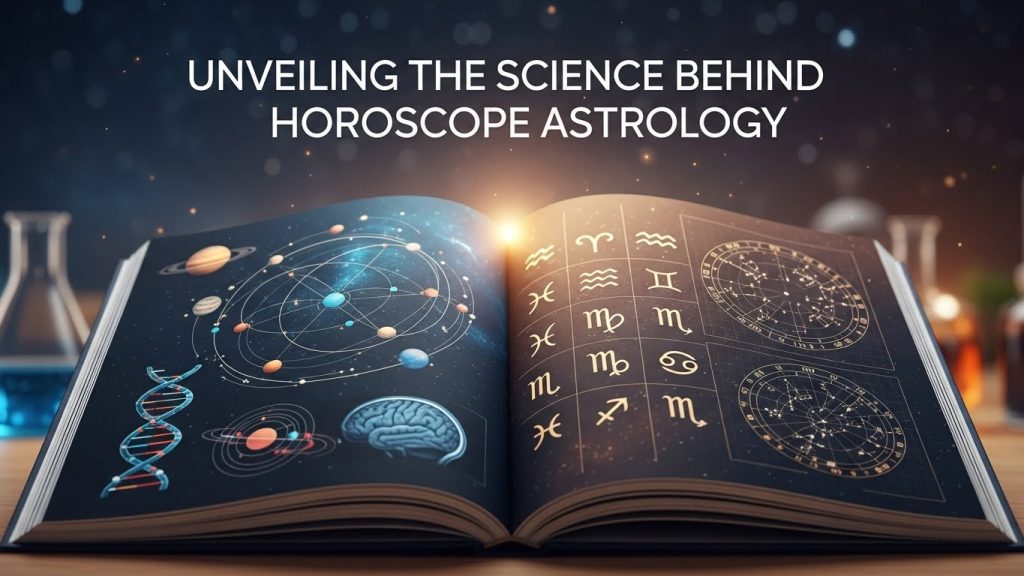
Unveiling the Science Behind Horoscope Astrology: A Comprehensive Guide
In the intriguing world of horoscope astrology, many people find both comfort and curiosity. Whether you are a casual reader of daily horoscopes or a dedicated follower of astrological charts, understanding the science behind astrology can enhance your appreciation of this ancient practice. This comprehensive guide will explore the origins, methodology, and contemporary applications of horoscope astrology, providing insights into its enduring appeal.
The Historical Roots of Astrology
Astrology’s roots stretch back thousands of years, intertwining with the development of human civilization. Ancient cultures, including the Babylonians and Egyptians, used the stars and planets to predict events and understand human behavior. These early astrologers laid the groundwork for the complex systems we use today.
Babylonian astrology, considered one of the earliest forms, was primarily a lunar calendar system that tracked celestial events. The Babylonians’ observations of the planets and stars led to the creation of the zodiac, a 12-sign system that became central to Western astrology.
Understanding the Zodiac Signs
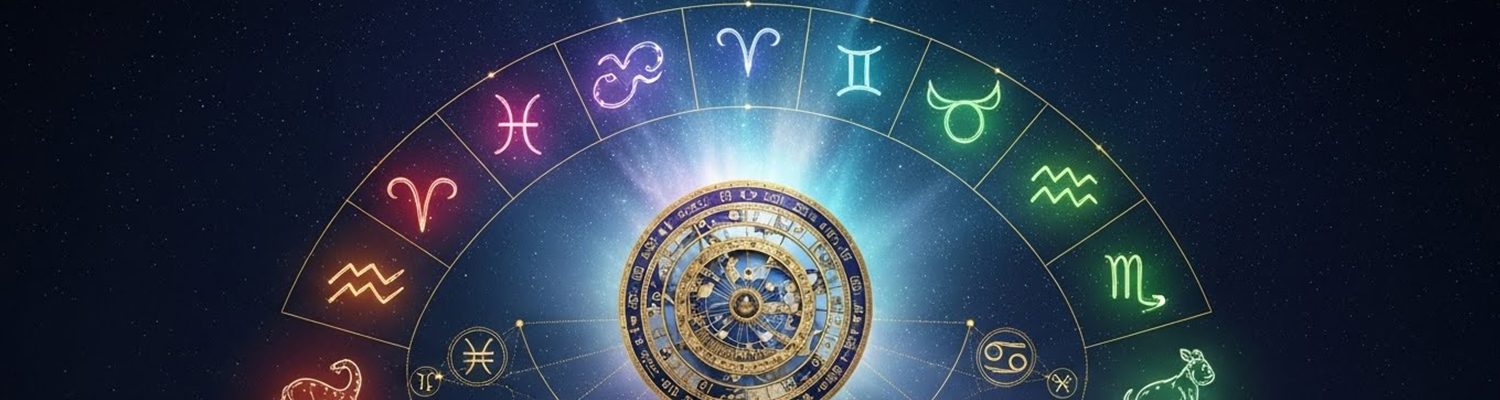
The zodiac, divided into twelve signs, forms the foundation of horoscope astrology. Each sign is associated with specific personality traits and tendencies, influencing the daily, weekly, and monthly horoscopes that many people follow. Here’s a brief overview of each sign:
- Aries (March 21 – April 19): Courageous, passionate, and dynamic.
- Taurus (April 20 – May 20): Reliable, patient, and practical.
- Gemini (May 21 – June 20): Adaptable, communicative, and curious.
- Cancer (June 21 – July 22): Tenacious, intuitive, and empathetic.
- Leo (July 23 – August 22): Confident, generous, and charismatic.
- Virgo (August 23 – September 22): Analytical, kind, and hardworking.
- Libra (September 23 – October 22): Diplomatic, gracious, and fair-minded.
- Scorpio (October 23 – November 21): Passionate, resourceful, and determined.
- Sagittarius (November 22 – December 21): Optimistic, adventurous, and independent.
- Capricorn (December 22 – January 19): Disciplined, responsible, and ambitious.
- Aquarius (January 20 – February 18): Innovative, humanitarian, and original.
- Pisces (February 19 – March 20): Compassionate, artistic, and intuitive.
The Mechanisms of Horoscope Astrology
Astrology operates on the principle that the positions and movements of celestial bodies can influence human affairs and natural phenomena. Astrologers create a birth chart, or natal chart, which is a map of the sky at the exact moment and location of a person’s birth. This chart includes the sun, moon, and planets, each of which governs different aspects of life and personality.
The sun sign, which most people identify with, is determined by the position of the sun in the zodiac at birth. While the sun sign is significant, the moon sign and rising sign (ascendant) also play crucial roles in shaping one’s identity and experiences.
The Role of Planets in Astrology
In astrology, planets are not just celestial bodies; they are archetypes that symbolize different psychological drives and areas of life. Here’s how some of the key planets influence astrology:
- Sun: Represents the core self, ego, and life purpose.
- Moon: Governs emotions, instincts, and subconscious.
- Mercury: Rules communication, intellect, and thought processes.
- Venus: Symbolizes love, beauty, and artistic inclinations.
- Mars: Associated with energy, drive, and ambition.
- Jupiter: Known as the planet of expansion, it influences growth and optimism.
- Saturn: Represents discipline, responsibility, and structure.
- Uranus: Signifies innovation, change, and rebellion.
- Neptune: Associated with dreams, inspiration, and spirituality.
- Pluto: Governs transformation, power, and regeneration.
Astrological Houses and Their Significance
A birth chart is divided into twelve houses, each representing different life areas such as career, relationships, and health. The positioning of planets in these houses further refines an individual’s astrological profile. Understanding the houses can provide deeper insights into the challenges and opportunities one might face throughout life.
The Science Behind Astrology: A Controversial Topic
The scientific community largely regards astrology as a pseudoscience, primarily due to its lack of empirical evidence and testable hypotheses. Nonetheless, astrology remains popular, with many people finding personal meaning and guidance in their horoscopes. Studies in psychology suggest that astrology’s appeal may lie in the Barnum effect, where individuals perceive vague or general statements as highly accurate for themselves.
Despite the skepticism, astrology has persisted as a cultural and spiritual practice, with millions of followers worldwide. Its ability to provide a framework for self-reflection and understanding of human behavior contributes to its ongoing relevance.
The Modern Revival of Astrology
In recent years, astrology has experienced a resurgence, particularly among younger generations. This revival can be attributed to several factors, including the rise of digital media, which makes astrological content more accessible than ever. Social media platforms and websites offer daily horoscopes, personalized readings, and astrological insights that cater to a diverse audience.
Moreover, astrology’s growth reflects a broader societal trend towards spirituality and alternative belief systems. Many people seek meaning and connection in an increasingly complex world, turning to astrology as a source of comfort and guidance.
Applying Astrology in Daily Life
For those interested in incorporating astrology into their daily routines, there are several practical applications. Keeping a journal of daily horoscopes and reflecting on their relevance can enhance self-awareness and personal growth. Engaging with astrological communities, whether online or in-person, can provide support and shared experiences.
Furthermore, understanding the astrological influences at play during significant life events, such as career changes or relationships, can offer new perspectives and clarity. By aligning with the cosmic rhythms, individuals may find greater harmony and fulfillment in their lives.
Conclusion: Embracing the Mystique of Astrology
Astrology, with its rich history and intricate systems, continues to captivate the human imagination. Whether viewed as a science, art, or spiritual practice, it offers a unique lens through which to explore the complexities of life and the universe. By unveiling the science behind horoscope astrology, we can appreciate its enduring legacy and embrace the mystical allure that has fascinated generations.
As we navigate the celestial tapestry, astrology invites us to ponder our place within the cosmos and embrace the myriad possibilities that lie within. Whether you are a skeptic or a believer, astrology’s timeless wisdom offers insights into the human experience, reminding us of the beauty and mystery that surround us.
As we delve deeper into the astrological realm, it’s essential to consider the ongoing debates and the potential for astrology to evolve with new understandings. While traditional astrology relies heavily on ancient texts and practices, modern astrologers are increasingly integrating psychological and scientific concepts to create more nuanced interpretations.
The Intersection of Astrology and Psychology
One of the most intriguing developments in the field of astrology is its intersection with psychology. Renowned psychologist Carl Jung, for instance, explored the concept of archetypes and the collective unconscious, which resonates with astrological symbolism. Jung believed that astrology could offer insights into the human psyche and complement psychological understanding.
Today, psychological astrology is a burgeoning field that combines astrological insights with therapeutic practices. This approach can facilitate personal growth by helping individuals understand their inner motivations and conflicts. By interpreting the birth chart in psychological terms, astrologers can guide individuals in navigating life’s challenges and fostering self-awareness.
Astrology and Cultural Significance
Astrology’s influence extends beyond personal horoscopes into broader cultural contexts. Throughout history, it has played a role in shaping art, literature, and even political events. Many famous works of literature contain astrological references, reflecting the cultural significance of the stars and planets.
Moreover, astrology has been used to guide decision-making in various societies. For instance, it was once common for rulers and leaders to consult astrologers before embarking on significant endeavors. While modern governance rarely relies on astrology, its cultural impact persists in various forms, from fashion trends to entertainment.
The Future of Astrology
As we look to the future, astrology may continue to adapt and evolve, integrating new technologies and insights. The digital age has already transformed how astrological information is disseminated, with apps and online platforms offering personalized readings and interactive experiences.
Emerging technologies such as artificial intelligence and big data could further revolutionize astrology. By analyzing vast amounts of astrological data, AI could potentially identify patterns and correlations, leading to more precise predictions and interpretations. While some may view this as a departure from traditional practices, it represents an exciting frontier for astrology enthusiasts.
Embracing Astrology with an Open Mind
Ultimately, how one engages with astrology is a personal choice. Some may view it as a fun and entertaining pastime, while others find profound meaning and guidance in its teachings. Regardless of one’s perspective, approaching astrology with an open mind can lead to new discoveries and insights.
For those interested in exploring astrology further, numerous resources are available. Books, courses, and workshops can provide deeper understanding and expertise in astrological practices. Engaging with astrology communities, both online and offline, can foster connections and shared learning experiences.
Astrology’s Role in Self-Discovery
At its core, astrology is a tool for self-discovery and reflection. It encourages individuals to explore their strengths, weaknesses, and potential paths in life. By understanding the cosmic influences at play, one can gain a clearer sense of purpose and direction.
While astrology’s scientific validity may be debated, its value as a tool for introspection and personal growth is undeniable. It offers a framework for exploring the mysteries of the self and the universe, inviting us to ponder the intricate dance between fate and free will.
Final Thoughts
Astrology’s enduring popularity speaks to its resonance with the human spirit. It invites us to look beyond the mundane and embrace the wonder of the cosmos. By unveiling the science behind horoscope astrology, we can appreciate its complexity and the profound insights it offers into our lives and experiences.
As we continue to explore the celestial tapestry, may we find inspiration and wisdom in the stars, forging a deeper connection to the universe and ourselves. Whether you are a seasoned astrologer or a curious newcomer, astrology invites you to embark on a journey of discovery, guided by the light of the stars.
About the Author